10 Historical Ziyarat places in Makkah

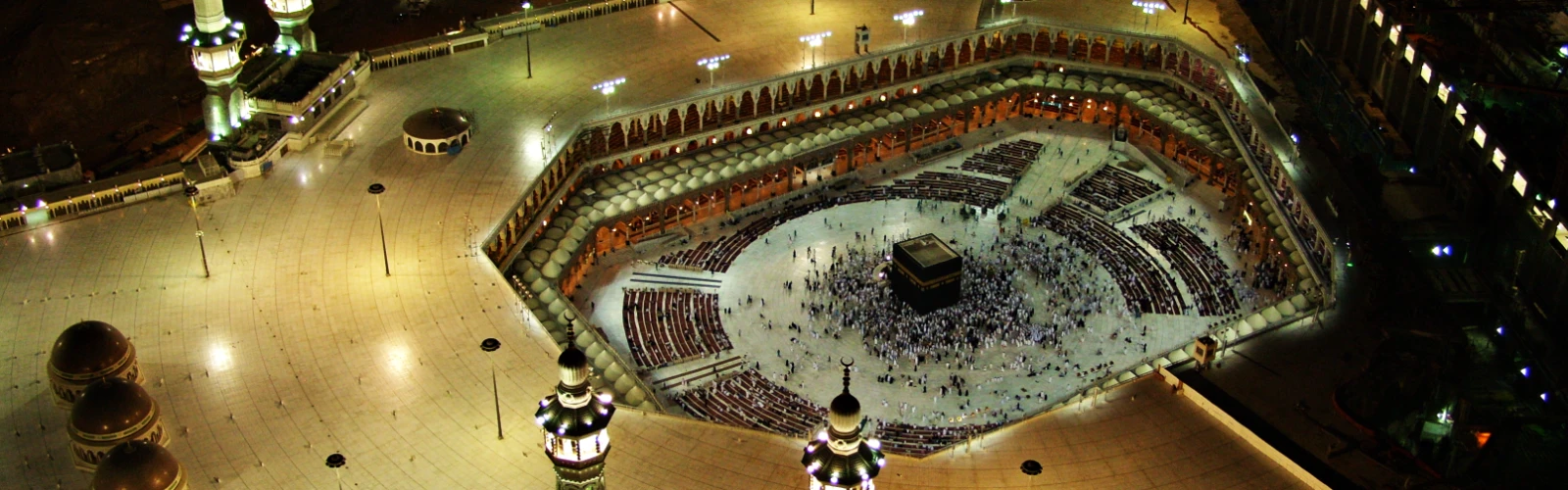
In Islam, the Arabic term ziarat signifies a "visit." It refers to traveling to places associated with Muhammad, his family (Ahl al-Bayt), his companions, or other revered Islamic figures. It can also reference genuine physical locations, including mosques, cemeteries, battlefields, mountains, and caves. Among these, Muslims consider visiting Makkah the greatest blessing. This city holds the highest spiritual status in Islam, as it is where Muhammad was born and where the Quran was first revealed. Most tourists are pilgrims who make the most of their time in the opulent Grand Mosque complex, which remains constantly active and crowded.
Apart from its central Grand Mosque (Masjid al-Haram), Saudi Arabia has several historical places in Makkah—ancient graves, mosques, and mountains—each with a fascinating narrative.
Make sure you visit the following Ziyarat places in Makkah:
The KAABA
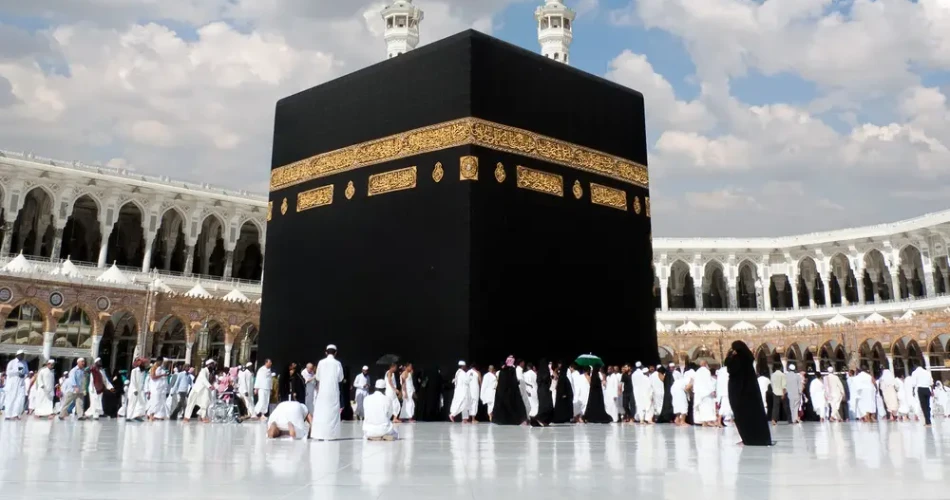
For Muslims worldwide, it marks the direction of prayer (Qibla) and the holiest site in Islam. Prophet Ibrahim and his son Ismail constructed the Kaaba as a place of worship for a single God. Muslims have journeyed to Makkah every year to worship at the Kaaba, which has played an essential role in Islamic pilgrimage and devotion since the beginning of the faith. As a site of ziarat in Makkah, the Kaaba is significant religiously and culturally and represents the Muslim world's oneness and solidarity.
Maqam Ibrahim
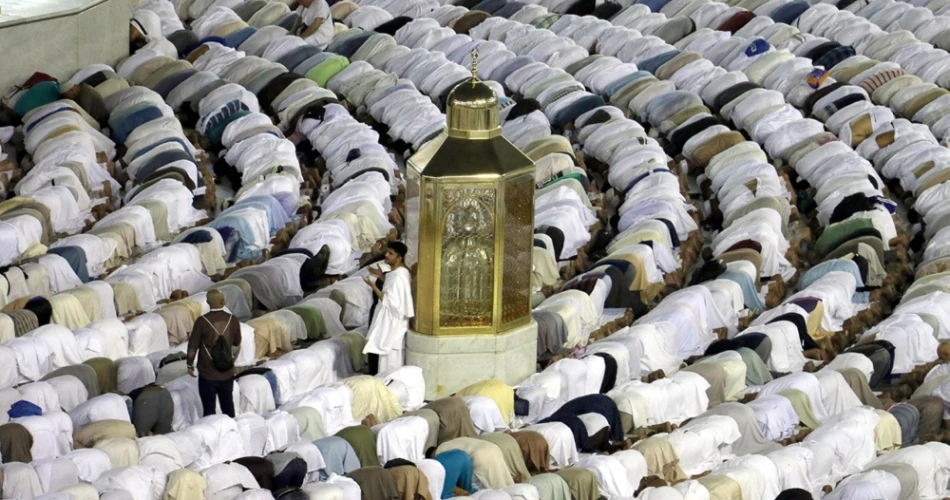
The stone platform known as Maqam Ibrahim stands near the Kaaba in Makkah, within Saudi Arabia's Grand Mosque. The Kaaba, Islam's holiest site, was built at the very spot where Prophet Ibrahim stood. It was here that Abraham proclaimed a return to the authentic worship of God. Both Hajj and Umrah—Islam’s two principal pilgrimages—include acts of deep devotion at this sacred location in Makkah. In Muslim culture and theology, Maqam Ibrahim is revered as a powerful symbol of the connection between the Kaaba and Prophet Abraham.
Hajr-e-Aswad
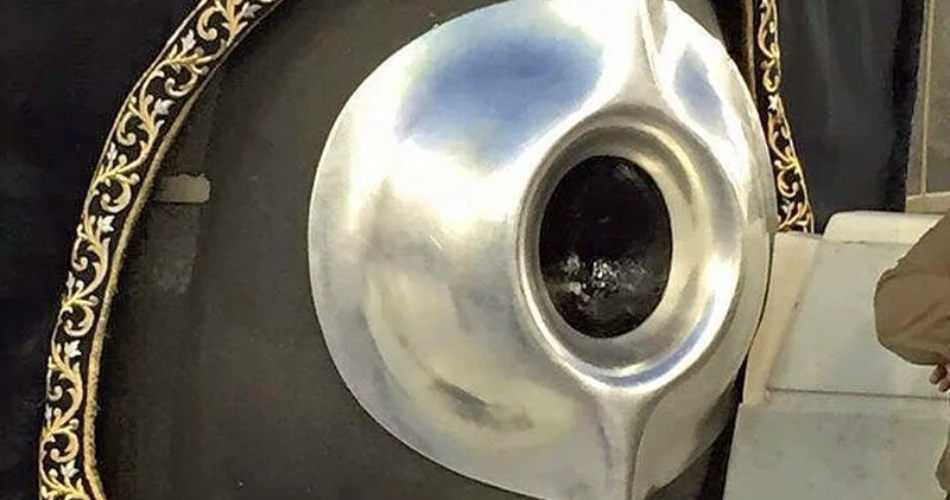
The Hajr-e-Aswad, or Black Stone, was brought by the angel Jibrael to the Prophet Adam. For ages, it has remained a focal point of Muslim attention. As a sign of their devotion to God, Muslims kiss this sacred Stone during Hajj or Umrah. For believers, it symbolizes the bond between man and God and carries profound cultural and theological significance.
The Well of Zamzam
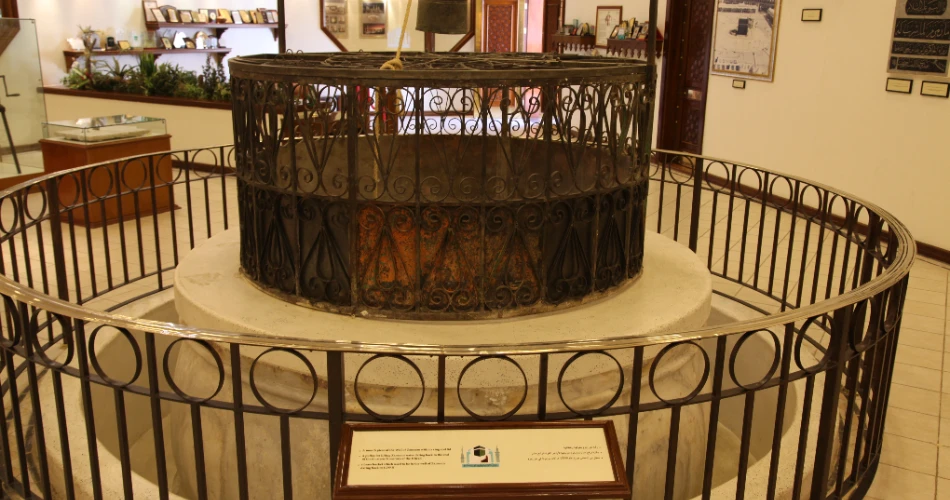
In Makkah, Saudi Arabia, there is a well, known as the Well of Zamzam, which is located close to the Kaaba. It was revealed to Hazrat Hajra (R.A), the wife of the Prophet Ibrahim, as a well for her son Ismael and is thus a sacred site for Muslims.
During the yearly Hajj pilgrimage, pilgrims who are making the journey to Makkah for ziyarat drink the holy water from the spring. Many Muslims bring Zamzam water home as a treasured keepsake because drinking from the well has spiritual and bodily advantages.
Jannat-ul-Maulla
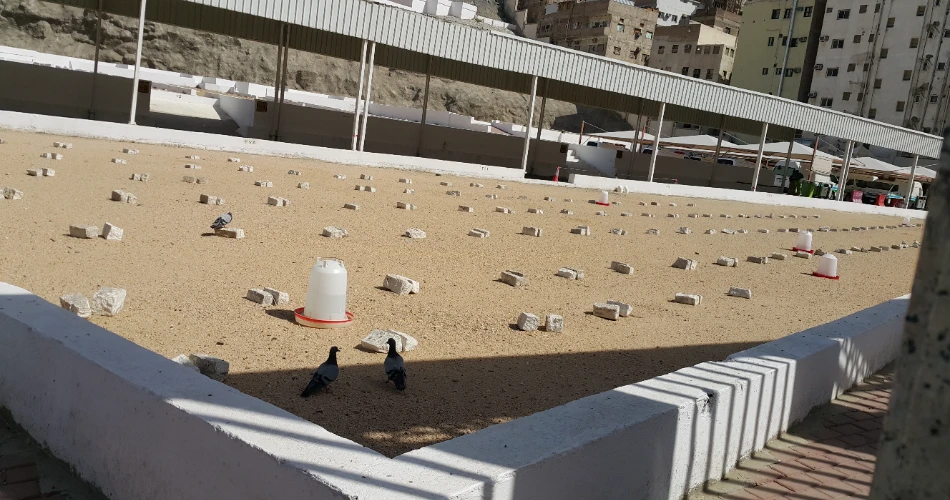
Jannat-ul-Maulla is the name of a cemetery in the city of Makkah, Saudi Arabia. This particular cemetery is considered to be one of the holiest in Islam since it contains the graves of a significant number of the Prophet Muhammad's (Peace be Upon Him) associates and family members. As a location of pilgrimage for ziyarat in Makkah, this cemetery provides religious services.
Cave of Thawr
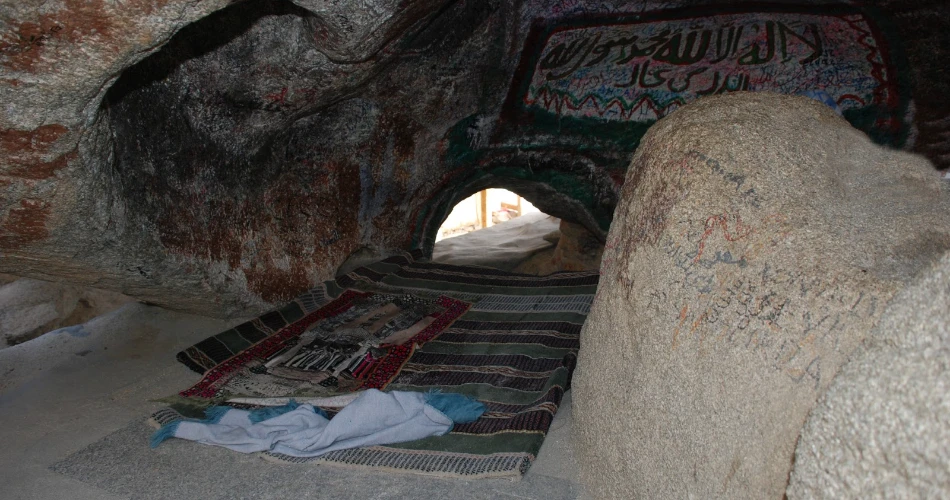
The Cave of Thawr holds sacred significance for Muslims. It was here that the Prophet Muhammad (peace be upon him) and his companion Abu Bakr took refuge for three days while fleeing from the Quraysh search parties. The cave, just 3.1 feet wide, has entrances on both sides. According to Islamic tradition, the Almighty commanded a spider to weave an intricate web across the cave’s entrance, effectively concealing them. This divine protection discouraged the searchers from entering, believing the cave to be undisturbed.
Muzdalifah
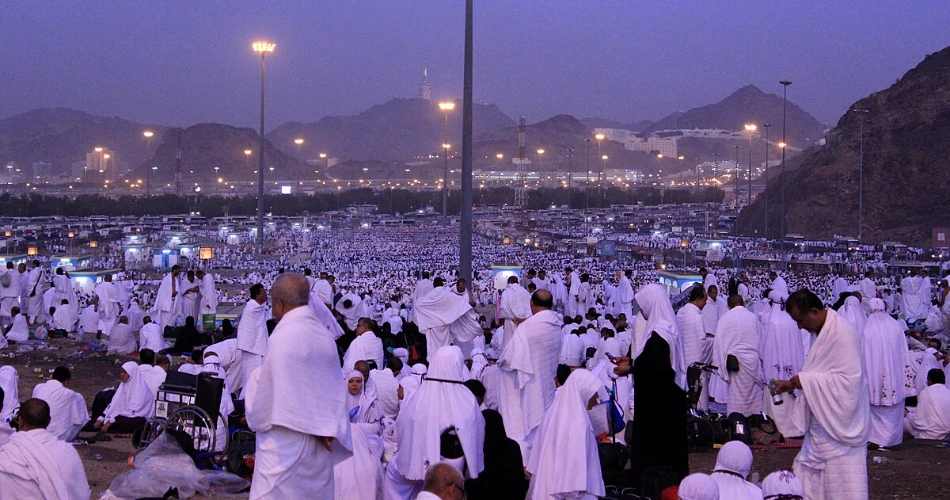
Muzdalifah is a significant Ziyarat site located between Mina and Arafat. After standing at Arafat, pilgrims travel to Muzdalifah, where they pray Maghrib and Isha together and spend the night under the open sky. Here, they collect pebbles that will later be used for the stoning ritual at the Jamarat in Mina, symbolizing the rejection of Satan.
In the early morning after Fajr prayer, pilgrims proceed to Mina to continue their pilgrimage rites. Muzdalifah features several rest areas and is home to Al-Mash’ar al-Haram, a sacred site mentioned in the Quran. Pilgrims often stop here to engage in supplication and remembrance of Allah before moving on.
Jabal al-Arafat
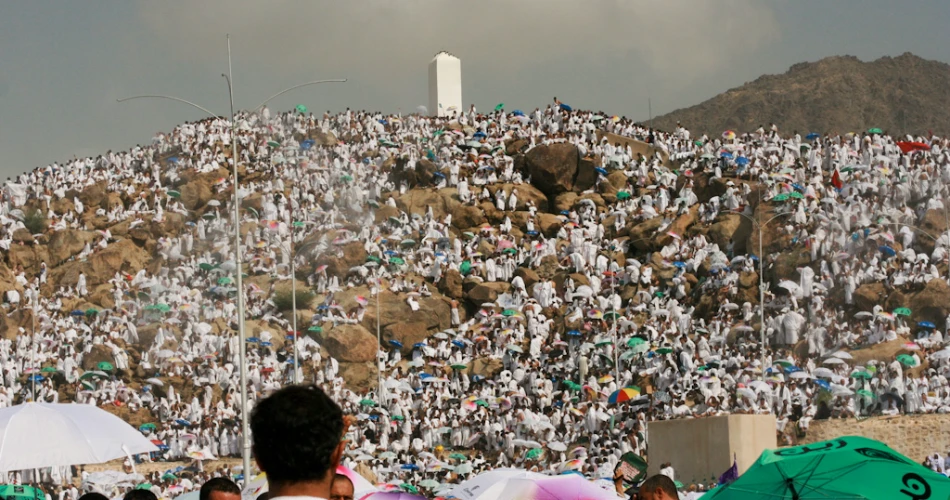
Mount Arafat, or Jabal al-Arafat, is a religiously and historically significant site located on the Arafat plain just outside Makkah. It holds profound spiritual importance and is a required stop during Hajj. On the ninth day of Dhul-Hijjah—the final month of the Islamic lunar calendar—pilgrims gather here for the Day of Arafat, considered by many to be the most critical day of the pilgrimage. On this day, they climb the hill, engage in deep prayer, and seek forgiveness from Allah. It was from this very spot that the Prophet Muhammad (peace be upon him) delivered his final sermon, emphasizing justice, equality, and unity among Muslims.
Masjid Jinn
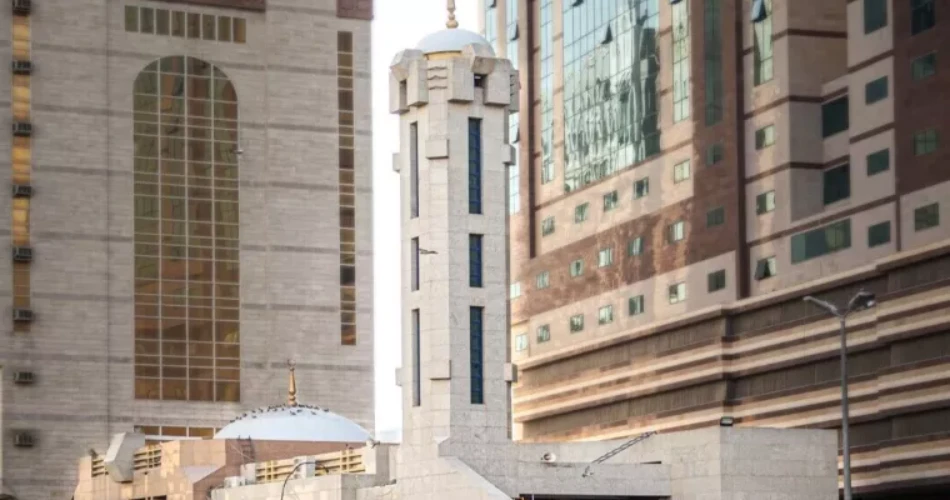
Masjid Jinn or Haras is one of Islam's historically significant mosques. Muhammad (PBUH) recited the Quran to a group of Jinn after being commanded to do so, and this event took place where the mosque stands today. According to Islamic belief, the Jinn came in vast numbers to hear the Quran and became Muslims by swearing allegiance to the Prophet (peace be upon him). It's also known as the Mosque of the Guard or the Mosque of Allegiance.
Mina
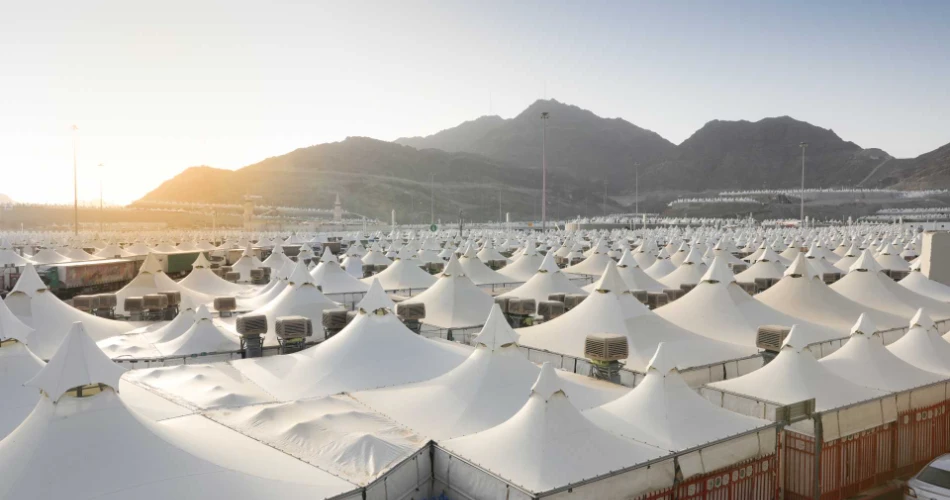
Mina, known as the Tent City, is a vital Ziyarat site where over 100,000 air-conditioned tents are set up each year to house Hajj pilgrims. At the end of their pilgrimage, pilgrims throw stones at the Jamarat pillars, representing the devil (shaitan). Pilgrims spend two or three more days praying, reading the Quran, glorifying God, conducting Zikr, and attending Islamic lectures. At Eid al-Adha, Muslims worldwide, not just pilgrims on the Hajj, perform this practice. At the same time, animals are sacrificed.
Wrapping up, in addition to being the holiest city in Islam, Makkah, Saudi Arabia, has cultural and historical significance. The Grand Mosque (Masjid al-Haram), the Kaaba, and the Well of Zamzam are just a few of the most renowned and famous places you may visit here. For Muslims, Makkah is a significant destination because of its historical and religious significance. A visit to the city offers an overview of Makkah's spiritual and cultural richness, whether you are interested in Islamic history, pilgrimage planning, a Makkah Ziyarat tour, or exploring the city's legacy.
Looking for a place to stay in Makkah? Book your stay at Borjal Deafah for a comfortable and convenient experience near the holy sites.

About Author
Isla is known as one of the best female solo travel bloggers today. She has been to Europe, UAE, and America and has penned down her experience in her blogs to inspire other travel enthusiasts.